Health Library
Hernia Repair at Altor Hospitals
Understanding Your Hernia, How We Fix It, and Your Journey to Feeling Great Again.
Health Library
- Appendectomy
- Appendectomy
- Appendectomy
Join Our Newsletter
Latest Post
Gentle Solutions for Your Comfort.
What Exactly is a Hernia? Imagine a Small “Bulge.”
Think of your body’s muscles and strong tissues as a protective wall, holding everything inside. A hernia happens when a part of an organ (like a small piece of your intestine) or some fatty tissue pushes through a weak spot or a tiny opening in that muscular wall. This creates a visible bulge or lump under your skin. It’s much like how an inner tube might poke through a weak spot in a tire.
Where Do Hernias Most Often Appear?
While hernias can show up in different places, they are most commonly found in these areas:
- In the Groin (Inguinal or Femoral Hernia): These are the most common types, showing up in the lower belly near your thigh.
- Around the Belly Button (Umbilical Hernia): You'll see a bulge near your navel.
- At an Old Surgery Site (Incisional Hernia): This happens where you might have had surgery before, and the old cut has weakened.
- At an Old Surgery Site (Incisional Hernia): This happens where you might have had surgery before, and the old cut has weakened.
- In the Upper Stomach (Hiatal Hernia): This is when part of your stomach pushes into your chest, usually through a tiny opening in your diaphragm (the muscle that helps you breathe). While some needs surgery, many are managed with medicine.
Why Do They Happen?
Hernias usually pop up because of two main reasons:
- A Weak Spot: Sometimes, the muscle wall is just naturally a bit weaker in certain areas, or it weakens over time.
- Extra Pressure: Things like heavy lifting, a lot of coughing, straining during bowel movements, pregnancy, or carrying extra weight can all put pressure on these weak spots, causing a hernia to form.
Why Do We Need to Fix a Hernia? at Altor Hospitals
Initially, a hernia might just be a small, painless bulge. But over time, it can grow larger and become uncomfortable or even painful, especially when you move or strain.
What Does a Hernia Feel Like? (Symptoms):
- You'll often see or feel a bulge under your skin, which might appear more clearly when you stand, cough, or push.
- You might feel a dull ache, a burning sensation, or sharp pain at the spot of the bulge, especially after physical activity.
- Some people describe a heavy or dragging feeling in the affected area.
- Sometimes, the bulge might disappear when you lie down.
Why Surgery is the Best Solution:
A hernia almost never goes away on its own. It tends to get bigger and cause more problems. Surgery is recommended because it can:
- Stop the Pain: It takes away the discomfort and aching that a hernia can cause.
- Prevent Serious Problems: The biggest worry with a hernia is when the bulging part gets stuck or "strangulated." This means its blood supply is cut off, which is very dangerous and needs emergency surgery. Fixing the hernia beforehand prevents this risk.
Who Needs Hernia Surgery? And How We Find It.
If you have a hernia that is causing you symptoms, growing in size, or risks getting trapped, surgery is almost always the safest and most effective way to address it.
How We Diagnose Your Hernia at Altor Hospitals: It's usually quite straightforward!

Gentle Physical Exam
Our doctors can often feel and see a hernia just by examining you, especially when you stand or cough.
Clear Scans (If Needed)
Sometimes, to get a clearer picture or understand the exact size and type of hernia, we might recommend an ultrasound or CT scan. This helps us plan the best repair for you.
Your Hernia Repair Journey: What to Expect During Surgery.
The main goal of hernia repair is to gently push the bulging tissue back into its proper place and then make that weak spot in your muscle wall strong again. At Altor Hospitals, our expert surgeons offer both modern keyhole (laparoscopic) surgery and traditional open surgery, always choosing the safest and best approach for your specific situation.
Your Anesthesia: For most hernia repairs, you will have general anesthesia. This means you'll be completely asleep and feel no pain whatsoever during the surgery. Our experienced anesthesiologists will ensure your comfort and safety. In some cases, we might use regional anesthesia (numbing a larger part of your body) or local anesthesia with a sedative to help you relax.
The Two Ways We Can Repair Your Hernia:
This is often the go-to method because it means less pain, smaller scars, and a quicker recovery for you.
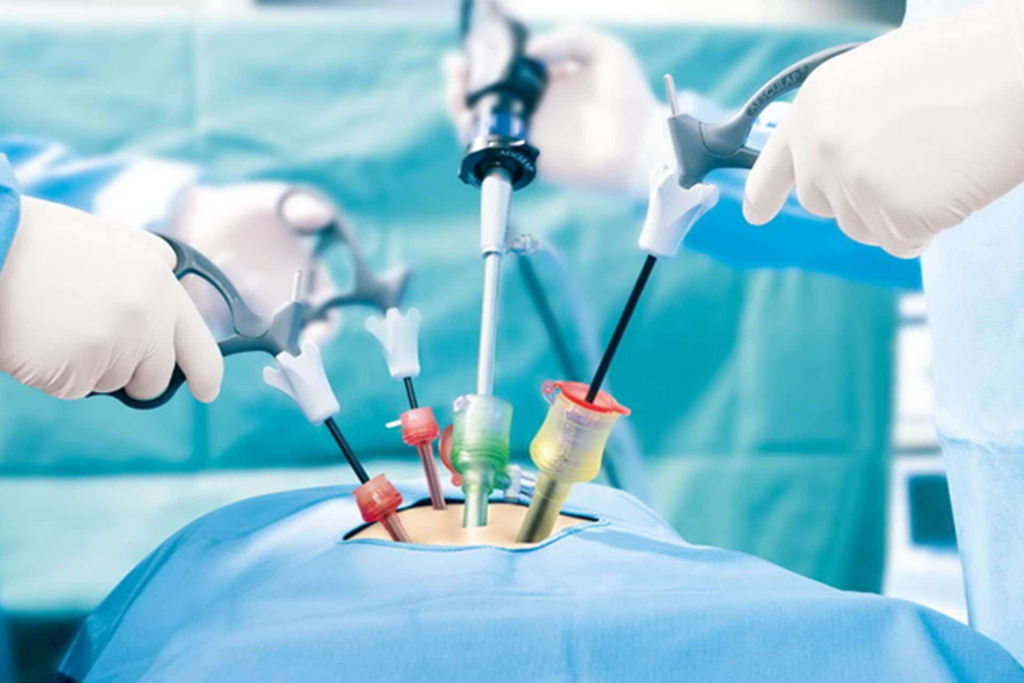
- Tiny Openings: Your surgeon will make just a few very small cuts (usually 3 or 4, each about the size of a tiny fingernail) in your belly. These heal beautifully with minimal scarring.
- “Inside View” with a Camera: A thin tube with a tiny camera (called a laparoscope) is gently guided through one of these small openings. This camera sends a magnified, clear view of your insides to a TV screen, guiding the surgeon with incredible precision.
- Gentle Repair: Through the other tiny openings, special, miniature surgical tools are used. The bulging tissue is gently pushed back into its rightful place.
- Strengthening with Mesh: To make sure the hernia doesn’t come back, a special surgical mesh (a strong, flexible material, like a strong fabric patch) is usually placed over the repaired weak area. This acts like an extra layer of strength.
- A Neat Finish: Once the repair is complete, the tools are removed, and your tiny cuts are meticulously closed with dissolvable stitches or surgical glue.

Sometimes, for your utmost safety, a traditional open surgery might be the best option. This could be for very large hernias, certain types, or if you’ve had many abdominal surgeries before.
- One Clear Incision: Your surgeon will make one cut directly over the hernia.
- Direct Repair: The bulging tissue is gently guided back inside. The weak muscle wall is then either stitched firmly back together, or more commonly, a surgical mesh is placed to reinforce the area, giving it extra strength.
- Traditional Closure: The incision is then closed with stitches or staples.
Your Healing Journey at Altor Hospitals: After Surgery Care.
Your comfort and a smooth, speedy recovery are what matter most to us. From the moment you wake up, our dedicated team is focused on you.


Waking Up Comfortably
You'll gently wake up in our special recovery room, where our nurses will be right there, closely monitoring you and making sure any initial pain is well managed.

Your Hospital Stay
For many hernia repairs, you might even be able to go home the same day! For others, a comfortable stay of 1 to 2 days is typical.

Managing Your Pain
We are deeply committed to keeping you comfortable. You'll receive personalized pain medication. Please, always tell your nurses if you feel any discomfort – your honest feedback helps us keep you feeling your best!

Getting Back to Eating
Our caring nurses will encourage you to get up and take short, gentle walks as soon as it's safe. Even light movement is incredibly beneficial for faster healing and preventing issues.
Life After Hernia Repair & Your Essential Follow-Up Care.
After your hernia repair, most people feel a significant sense of relief from their symptoms and can very soon return to their normal lives!

- Light Activities: You can usually get back to your light daily routines within a few days, especially after keyhole surgery.
- Avoiding Strain: It’s crucial to avoid heavy lifting, strenuous exercise, and activities that put a lot of pressure on your belly for 2 to 6 weeks (or longer, as advised by your surgeon). This gives your body time to heal properly and the repair to become strong.
Our nurses will give you clear, easy-to-follow instructions on how to care for your incision sites at home. This helps them heal beautifully and prevents any infection.
You’ll likely go home with prescriptions for pain relievers. Please take them exactly as advised.
Coming for your scheduled follow-up appointment with your surgeon is very important. This allows them to check your healing progress, remove any stitches if needed, and answer any new questions you might have.
With proper care and by following your doctor’s advice, hernia repair is generally very successful, and the risk of the hernia returning is low, especially when a mesh is used.
Why Altor Hospitals is Your Best Choice for Hernia Repair.
Choosing Altor means choosing peace of mind and excellent care. We're here for you with:
Expert Surgeons, Gentle Hands
Our general surgeons are not just highly skilled in both advanced keyhole and traditional open hernia repair; they perform each procedure with meticulous care and a deep understanding of your comfort and individual needs.
Advanced Keyhole Technology
We use the latest laparoscopic equipment, giving you the benefit of smaller cuts, less pain, and a much faster return to your everyday life when this method is suitable for you.
NABH Assured Safety & Quality
Our unwavering commitment to NABH standards means every protocol – from sterile operating rooms to rigorous training and infection control – is designed for your absolute safety and the highest quality of care.
Compassionate, Personalized Support
From your initial assessment through your surgery and recovery, our dedicated nurses and staff provide continuous, empathetic care, tailored to your individual needs. You’re part of our Altor family.
Comprehensive Support
We guide you through every step, from accurate diagnosis to effective recovery plans, ensuring all your needs are met for a lasting result.
Accessible Excellence in Bengaluru:
As a trusted hospital in KR Puram, Bengaluru, we are devoted to providing ethical, high-quality healthcare that is easily accessible and affordable for our community.